
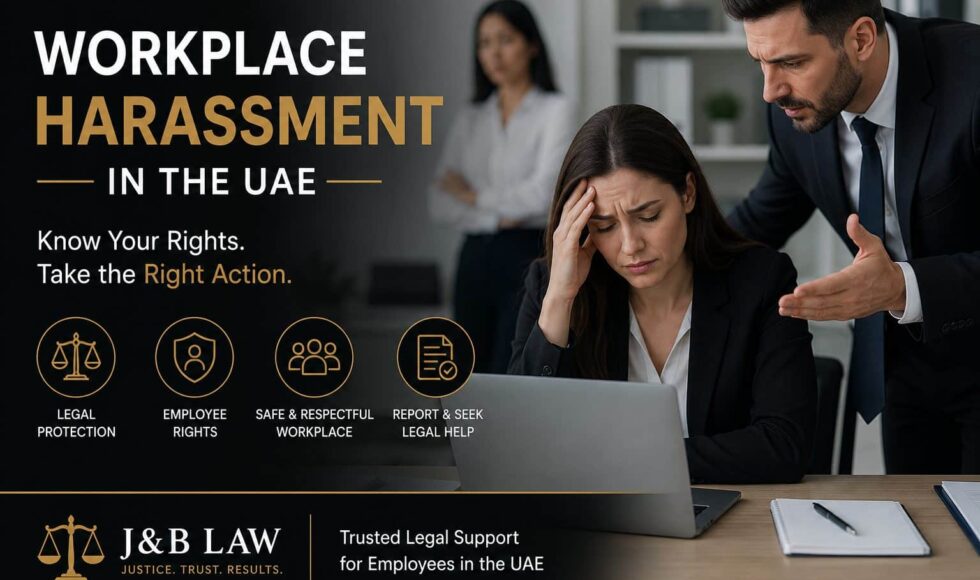
Workplace Harassment in the UAE: Employee Rights, Employer Responsibilities & How to File a Complaint
Introduction
A respectful and safe workplace is a fundamental right for every employee. In the UAE, employers are expected to maintain a professional work environment where employees are treated with dignity, respect, and fairness. Despite these legal protections, incidents of workplace harassment in the UAE continue to affect employees across various industries, ranging from verbal abuse and bullying to discrimination and sexual harassment. Such behaviour can have serious consequences for an individual’s mental well-being, job performance, and career growth.
Recognising the importance of employee welfare, the UAE Labour Law includes provisions that prohibit workplace harassment and protect employees from abuse, intimidation, discrimination, and other inappropriate conduct. Both private sector employers and employees have legal rights and responsibilities aimed at promoting a safe and respectful workplace.
Whether you are experiencing workplace bullying in the UAE, facing discrimination, or are unsure how to report workplace misconduct, understanding your legal rights is the first step toward protecting yourself. This guide explains what constitutes workplace harassment under UAE law, the responsibilities of employers, the complaint process, and the legal remedies available to employees.
See How J&B Law Can Help
If you are experiencing workplace harassment in the UAE, our legal team is here to guide you through your rights and the appropriate legal process. Watch this short video to learn how J&B Law assists employees and employers in resolving workplace harassment matters with professionalism and confidentiality.
What is Workplace Harassment in the UAE?
Workplace harassment refers to any unwelcome behaviour, conduct, or action that creates an intimidating, hostile, humiliating, or offensive work environment. It can occur between colleagues, managers and employees, clients, or any individual within the workplace. Unlike occasional disagreements or professional criticism, workplace harassment involves repeated or serious behaviour that affects an employee’s dignity, well-being, or ability to perform their job effectively.
Under the UAE Labour Law, employers are expected to maintain a workplace that promotes respect, equality, and professionalism. Employees have the right to work in an environment free from harassment, discrimination, bullying, and abuse. Employers are also responsible for taking reasonable steps to prevent workplace misconduct and address complaints appropriately.
Workplace harassment is not limited to physical acts. It can take many forms, including verbal abuse, psychological intimidation, sexual harassment, discrimination based on protected characteristics, cyber harassment through emails or messaging platforms, and any conduct that undermines an employee’s dignity or professional standing.
Common Examples of Workplace Harassment
Some common examples of workplace harassment in the UAE include:
- Repeated verbal abuse, insults, or offensive language.
- Threats, intimidation, or aggressive behaviour.
- Sexual comments, unwanted advances, or inappropriate physical contact.
- Bullying through humiliation, isolation, or excessive criticism.
- Discrimination based on gender, nationality, religion, disability, or other protected characteristics.
- Sending offensive messages through emails, WhatsApp, or workplace communication platforms.
- Deliberately excluding an employee from meetings or important work-related activities without a legitimate reason.
It is important to understand that not every disagreement at work amounts to harassment. Constructive feedback, performance evaluations, or reasonable management decisions made professionally are generally not considered workplace harassment. The key distinction lies in whether the behaviour is unwelcome, unreasonable, and creates a hostile or intimidating work environment.
Recognising workplace harassment at an early stage allows employees and employers to take appropriate action before the situation escalates into a formal labour dispute or legal claim.
UAE Laws Protecting Employees from Workplace Harassment
The UAE has strengthened workplace protections by introducing legal provisions that promote a respectful, safe, and discrimination-free working environment. Employers are expected to ensure that every employee is treated with dignity and professionalism, while employees have the right to work without fear of harassment, bullying, or abuse.
The primary legislation governing private-sector employment is the Federal Decree-Law No. 33 of 2021 on the Regulation of Labour Relations (commonly referred to as the UAE Labour Law). This law establishes important obligations for employers and reinforces employee rights by prohibiting various forms of workplace misconduct.
Protection Under UAE Labour Law
The UAE Labour Law requires employers to maintain a workplace that is free from harassment, discrimination, intimidation, and violence. Employees should not be subjected to behaviour that creates a hostile or humiliating work environment, regardless of their position within the organisation.
The law also encourages employers to implement workplace policies that promote respect, professionalism, and equal treatment while providing employees with appropriate channels to report complaints.
Protection Against Discrimination
The UAE legal framework prohibits discrimination in employment based on factors such as:
- Race or ethnicity
- Colour
- Sex or gender
- Religion or belief
- Nationality
- Disability
Employment decisions relating to recruitment, promotions, salaries, training opportunities, or termination should be based on legitimate business considerations rather than discriminatory practices.
Employer Responsibilities Under UAE Law
Employers are expected to take proactive measures to prevent workplace harassment and misconduct by:
- Maintaining a safe and respectful work environment.
- Establishing clear workplace conduct and anti-harassment policies.
- Providing employees with confidential complaint procedures.
- Investigating complaints fairly and without unnecessary delay.
- Taking appropriate disciplinary action where misconduct is established.
- Protecting employees from retaliation for reporting genuine concerns.
An employer’s commitment to preventing harassment not only helps ensure legal compliance but also contributes to higher employee morale, productivity, and workplace trust.
Employee Rights Under UAE Law
Employees who experience workplace harassment have the right to:
- Work in an environment free from harassment and discrimination.
- Report inappropriate behaviour through internal workplace procedures.
- Raise complaints with the relevant UAE authorities where appropriate.
- Seek independent legal advice regarding their rights and available remedies.
- Be treated fairly throughout any investigation into their complaint.
Understanding these legal protections empowers employees to address workplace misconduct confidently while encouraging employers to foster a culture of respect and accountability.
Types of Workplace Harassment in the UAE
Workplace harassment can take many forms, and it is not always obvious. While some incidents involve direct verbal or physical misconduct, others may be more subtle and occur repeatedly over time, creating a hostile or intimidating work environment. Recognising these behaviours is the first step toward protecting your rights under the UAE Labour Law.
1. Verbal Harassment
Verbal harassment involves offensive, abusive, or intimidating language directed at an employee. This behaviour may occur during meetings, over the phone, or through workplace conversations.
Examples include:
- Insults or offensive remarks
- Yelling or shouting at employees
- Humiliating comments in front of colleagues
- Threats or intimidation
- Repeated derogatory jokes
Persistent verbal abuse can negatively affect an employee’s confidence, mental well-being, and work performance.
2. Workplace Bullying
Workplace bullying in the UAE refers to repeated behaviour intended to intimidate, isolate, or undermine an employee. Unlike occasional workplace disagreements, bullying is generally continuous and creates an unhealthy work environment.
Common examples include:
- Constant criticism without justification
- Public humiliation
- Deliberately excluding an employee from meetings or projects
- Assigning unrealistic workloads to force failure
- Spreading false rumours or damaging an employee’s reputation
Bullying can occur between colleagues, supervisors, or even subordinates.
3. Sexual Harassment
Sexual harassment includes any unwelcome behaviour of a sexual nature that makes an employee feel uncomfortable, intimidated, or unsafe.
Examples may include:
- Unwanted physical contact
- Inappropriate comments or jokes
- Requests for personal or sexual favours
- Sending explicit messages or images
- Persistent unwanted attention despite objections
Such conduct should never be tolerated, and employees may have legal remedies depending on the circumstances.
4. Discrimination
Workplace discrimination occurs when an employee is treated unfairly because of personal characteristics rather than professional qualifications or performance.
Discrimination may relate to:
- Gender
- Nationality
- Religion
- Race or ethnicity
- Disability
Examples include denying promotions, unequal pay for comparable work, unfair disciplinary action, or biased hiring decisions.
5. Psychological or Emotional Harassment
Psychological harassment often develops over time through repeated actions designed to isolate or mentally pressure an employee.
Examples include:
- Ignoring or excluding an employee
- Continuous intimidation
- Excessive monitoring without justification
- Unreasonable criticism
- Deliberately withholding important work information
Although there may be no physical evidence, emotional harassment can significantly impact mental health and workplace productivity.
6. Cyber Harassment
With digital communication becoming a part of everyday work, harassment can also occur online.
Examples include:
- Offensive emails
- Abusive WhatsApp messages
- Harassing comments on workplace communication platforms
- Sharing inappropriate content
- Repeated unwanted messages outside working hours
Digital communications can often serve as valuable evidence if a formal complaint becomes necessary.
Why Identifying Workplace Harassment Matters
Many employees hesitate to report inappropriate behaviour because they believe it is simply part of workplace culture or fear retaliation. However, recognising harassment early allows employees to document incidents, seek advice, and explore appropriate legal or internal remedies before the situation escalates.
If you believe you are experiencing workplace harassment in the UAE, understanding the type of misconduct involved is the first step towards protecting your rights and taking informed action.
Signs You May Be Experiencing Workplace Harassment
Workplace harassment is not always obvious. In many cases, it develops gradually through repeated behaviour that creates stress, fear, or discomfort in the workplace. Employees may initially dismiss such conduct as workplace pressure or personality conflicts, but persistent or inappropriate behaviour can indicate a more serious issue.
Recognising the warning signs early can help employees take appropriate action, document incidents, and seek legal guidance if necessary.
Common Signs of Workplace Harassment
You may be experiencing workplace harassment in the UAE if you regularly encounter any of the following:
- Repeated verbal abuse, insults, or offensive comments.
- Being shouted at, humiliated, or embarrassed in front of colleagues.
- Receiving threats or intimidating behaviour from a manager or coworker.
- Being deliberately excluded from meetings, projects, or workplace communication.
- Constant criticism or unrealistic work expectations intended to undermine your confidence.
- Unwanted physical contact or inappropriate personal remarks.
- Offensive emails, messages, or inappropriate communication through workplace platforms.
- Discrimination based on nationality, gender, religion, disability, or other protected characteristics.
- Retaliation after raising a workplace concern or complaint.
- Feeling anxious, fearful, or emotionally distressed because of repeated workplace behaviour.
Harassment Can Affect More Than Your Job
Workplace harassment often extends beyond professional challenges and can significantly impact an individual’s personal well-being. Employees who experience ongoing harassment may suffer from:
- Increased stress and anxiety
- Reduced confidence and self-esteem
- Difficulty concentrating at work
- Lower productivity and job satisfaction
- Sleep disturbances or emotional exhaustion
- A desire to resign due to an unhealthy work environment
Ignoring these warning signs can allow the situation to escalate. Employees should consider documenting incidents and seeking appropriate support before the issue becomes more serious.
Keep a Record of Incidents
If you believe you are experiencing workplace harassment, maintaining accurate records can be extremely valuable if you later decide to report the matter internally or seek legal advice.
Consider documenting:
- Dates and times of each incident.
- Details of what occurred.
- Names of individuals involved.
- Witnesses who may have observed the incident.
- Copies of emails, messages, or other relevant communications.
Employee Rights in the UAE
Every employee in the UAE has the right to work in an environment that is safe, respectful, and free from harassment, discrimination, and intimidation. The UAE Labour Law promotes equal treatment in the workplace and places a responsibility on employers to foster a professional environment where employees are treated with dignity and fairness.
If you are experiencing workplace harassment in the UAE, understanding your legal rights can help you make informed decisions and take appropriate action.
1. Right to a Safe and Respectful Workplace
Employees are entitled to perform their duties in a workplace where they are protected from harassment, bullying, discrimination, verbal abuse, and other inappropriate behaviour. Employers are expected to maintain policies and procedures that encourage professionalism and mutual respect among all employees.
2. Right to Report Workplace Harassment
Employees have the right to raise concerns if they experience or witness workplace harassment. Depending on the circumstances, concerns may be reported through:
- Human Resources (HR)
- A direct manager or supervisor
- Internal grievance procedures
- Relevant UAE labour authorities where appropriate
Reporting harassment promptly can help employers investigate the matter and take corrective action before the situation escalates.
3. Right to Fair Investigation
When a complaint is made, employees have the right to expect that it will be handled professionally, confidentially, and without unnecessary delay. A fair investigation should consider all available evidence and provide both parties with an opportunity to present their account of the events.
Maintaining confidentiality throughout the process helps protect the privacy of everyone involved while preserving the integrity of the investigation.
4. Right to Protection Against Retaliation
Employees should not be subjected to unfair treatment simply because they have raised a genuine workplace concern. Retaliatory actions—such as intimidation, unfair disciplinary measures, or other adverse treatment—can create additional legal and workplace issues.
If an employee believes they have been treated unfairly after reporting workplace harassment, obtaining legal advice can help them understand the options available under UAE law.
5. Right to Seek Legal Advice
Employees who are unsure about their legal position or the appropriate course of action may seek independent legal advice. An experienced employment lawyer can explain the applicable legal framework, review the circumstances of the case, and advise on the most appropriate next steps.
Early legal guidance can often help employees protect their rights while avoiding unnecessary disputes.
6. Right to a Workplace Free from Discrimination
Employees should be assessed based on their skills, qualifications, and performance—not personal characteristics. Unfair treatment based on gender, nationality, religion, disability, or other protected characteristics may give rise to legal concerns under the UAE’s employment framework.
A workplace built on equality and respect benefits both employees and employers by promoting trust, productivity, and long-term professional relationships.
Why Understanding Your Rights Matters
Many employees hesitate to report workplace harassment because they fear losing their job or damaging professional relationships. However, understanding your rights empowers you to respond appropriately, document incidents effectively, and seek assistance when necessary.
If workplace harassment continues despite internal reporting, consulting an experienced employment lawyer can help you understand the legal remedies that may be available and the appropriate procedures to follow.
How to Report Workplace Harassment in the UAE
Experiencing workplace harassment in the UAE can be stressful, but taking the right steps early can help protect your rights and strengthen your position if the matter requires formal action. Whether the harassment involves bullying, discrimination, verbal abuse, or inappropriate conduct, documenting incidents and following the appropriate reporting process is essential.
Step 1: Document Every Incident
Before filing a complaint, keep a detailed record of each incident. Accurate documentation can be valuable if the matter is investigated internally or by the relevant authorities.
Record the following information:
- Date and time of each incident.
- Location where the incident occurred.
- Details of what happened.
- Names of individuals involved.
- Names of any witnesses.
- Copies of emails, WhatsApp messages, screenshots, or other relevant communications.
Maintaining factual and organised records can help establish a clear timeline of events.
Step 2: Report the Matter Internally
Many employers have internal grievance procedures designed to address workplace complaints.
Depending on your organisation, you may report the matter to:
- Your immediate manager or supervisor (if appropriate).
- The Human Resources (HR) department.
- A designated compliance or ethics officer.
- Senior management if internal procedures require escalation.
When submitting a complaint, remain professional and provide factual information supported by any available evidence.
Step 3: Follow Your Employer’s Complaint Procedure
Most organisations have policies outlining how workplace complaints are investigated. Employees should cooperate with the investigation while maintaining copies of any correspondence or documentation submitted during the process.
A proper workplace investigation may involve:
- Interviews with the parties involved.
- Statements from witnesses.
- Review of emails or workplace communications.
- Examination of relevant evidence.
Employers should conduct investigations fairly, confidentially, and without unnecessary delay.
Step 4: Escalate the Matter if Necessary
If the issue is not resolved internally or if the circumstances require external intervention, employees may consider approaching the appropriate UAE authorities or seeking independent legal advice to understand the available legal options.
A legal professional can assess your circumstances, explain the relevant legal framework, and advise on the most appropriate course of action based on your individual situation.
Step 5: Consult an Employment Lawyer
Every workplace harassment case is different. Seeking legal advice at an early stage can help you understand your rights, preserve important evidence, and avoid procedural mistakes.
An experienced employment lawyer can assist with:
- Assessing the strength of your case.
- Reviewing employment contracts and workplace policies.
- Advising on available legal remedies.
- Assisting with communications and documentation.
- Representing your interests where appropriate.
Obtaining professional legal guidance early may help resolve workplace disputes more efficiently while ensuring your rights remain protected.
Why Acting Promptly Matters
Delaying action can make it more difficult to collect evidence or accurately recall important details. Reporting workplace harassment promptly, maintaining clear records, and seeking appropriate advice can significantly strengthen your position if further action becomes necessary.
If you believe you have experienced workplace harassment in the UAE, taking informed and timely steps can help safeguard your legal rights while promoting a fair and respectful workplace.
What Happens After Filing a Workplace Harassment Complaint?
Filing a workplace harassment complaint is an important step towards protecting your rights and encouraging a safer work environment. Once a complaint has been submitted, the employer or the relevant authority will typically review the allegations and determine the appropriate course of action based on the facts and available evidence.
The outcome of a complaint depends on several factors, including the seriousness of the allegations, the evidence presented, the employer’s internal policies, and the applicable provisions of UAE law.
Internal Investigation
If the complaint is reported to your employer, an internal investigation is usually conducted to understand the circumstances of the incident. The investigation may include:
- Interviewing the employee who submitted the complaint.
- Obtaining statements from the individual against whom the complaint has been made.
- Speaking with witnesses, if any.
- Reviewing emails, messages, CCTV footage, or other relevant evidence.
- Examining company policies and employment records where necessary.
Employers are generally expected to conduct investigations fairly, maintain confidentiality where appropriate, and provide all parties with an opportunity to present their version of events.
Possible Outcomes
Depending on the findings of the investigation, several outcomes may be possible, including:
- Informal resolution or mediation between the parties.
- A formal warning or disciplinary action against the individual responsible.
- Mandatory workplace training or corrective measures.
- Changes to reporting structures or workplace arrangements.
- Other actions considered appropriate under the employer’s policies and applicable laws.
Each workplace and situation is unique, and the outcome will depend on the facts established during the investigation.
If the Matter Is Not Resolved
If the issue is not resolved through the employer’s internal procedures, or if the circumstances require further legal consideration, employees may explore the legal options available under UAE law.
An experienced employment lawyer can evaluate the facts of your case, explain your rights, and advise you on the appropriate legal procedures based on your individual circumstances.
The Importance of Legal Guidance
Every workplace harassment case presents different legal and factual issues. Seeking legal advice at an early stage can help you:
- Understand your legal rights and obligations.
- Preserve important evidence.
- Communicate effectively with your employer.
- Avoid procedural mistakes.
- Make informed decisions throughout the complaint process.
Professional legal guidance can also help employees understand the most appropriate course of action while ensuring their interests are protected.
Don’t Ignore Workplace Harassment
Many employees delay reporting workplace harassment because they fear retaliation or believe nothing will change. However, addressing workplace misconduct promptly can help prevent further incidents and contribute to a safer, more respectful workplace for everyone.
If you are unsure about your legal position or the next steps after experiencing workplace harassment in the UAE, obtaining timely legal advice can help you understand your options and proceed with confidence.
Frequently Asked Questions (FAQs)
1. What is considered workplace harassment in the UAE?
Workplace harassment refers to any unwelcome behaviour that creates an intimidating, hostile, or offensive work environment. This may include verbal abuse, bullying, sexual harassment, discrimination, intimidation, or repeated inappropriate conduct that affects an employee’s dignity or ability to work effectively.
2. Is workplace bullying illegal in the UAE?
The UAE Labour Law requires employers to provide a safe and respectful workplace. Employees should not be subjected to harassment, bullying, discrimination, or abusive behaviour. If workplace bullying occurs, employees may report the matter through their employer’s internal procedures or seek legal advice regarding the options available under UAE law.
3. How can I report workplace harassment in the UAE?
Employees should first document the incidents and, where appropriate, report the matter through their employer’s grievance or Human Resources (HR) procedures. If the issue remains unresolved or requires further legal consideration, professional legal advice can help determine the appropriate next steps.
4. What evidence should I keep if I experience workplace harassment?
Useful evidence may include:
- Emails and workplace correspondence
- WhatsApp messages or text messages
- Photographs or screenshots
- CCTV footage (where lawfully available)
- Witness statements
- Medical records, if relevant
- Notes recording the dates, times, and details of each incident
Maintaining accurate records can support any future workplace investigation or legal consultation.
5. Can expatriate employees file workplace harassment complaints in the UAE?
Yes. Employees working in the UAE, including expatriates, are entitled to workplace protections provided under the applicable employment laws. If an employee experiences workplace harassment or discrimination, they may seek guidance on the appropriate procedures available to them.
6. Can I take legal action for workplace harassment in the UAE?
The legal options available depend on the specific facts of each case. An experienced employment lawyer can assess your circumstances, explain the applicable legal framework, and advise on the most appropriate course of action.
7. How can J&B Law assist with workplace harassment cases?
J&B Law provides legal guidance on workplace harassment, employment disputes, employee rights, and workplace investigations in the UAE. Our legal team can assess your situation, explain your rights, assist with documentation, and advise you on the appropriate legal procedures based on your individual circumstances.
Conclusion
Workplace harassment should never be ignored. Every employee has the right to work in a professional environment built on dignity, respect, and fairness. Whether the harassment involves bullying, discrimination, verbal abuse, or inappropriate conduct, understanding your legal rights is the first step toward resolving the issue effectively.
Taking timely action, maintaining proper documentation, and following the appropriate complaint procedures can help protect your interests while contributing to a safer workplace. Every situation is unique, and the most appropriate course of action will depend on the specific facts and applicable legal framework.
If you are experiencing workplace harassment in the UAE or need guidance on your legal rights, obtaining professional legal advice can help you understand your options and make informed decisions.